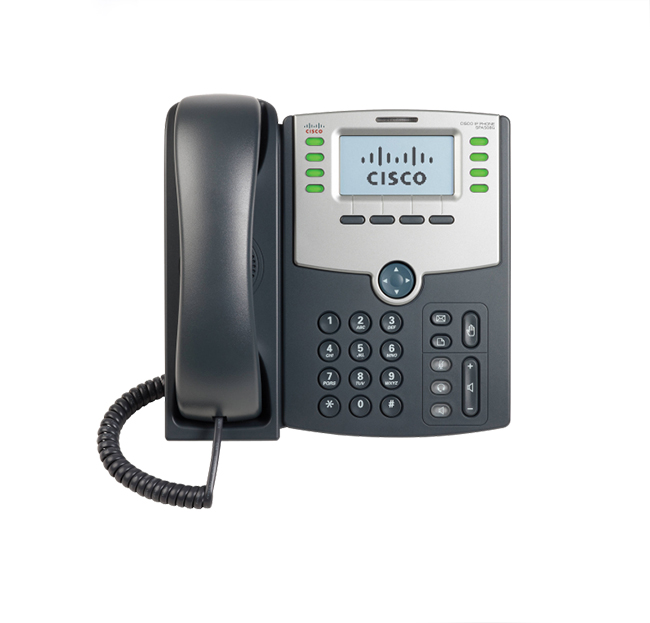
Here is how a VoIP call works in a few short steps:
A caller dials a number and the call is passed from the device to a router.
The router passes the voice call to the internet where it reaches a VoIP phone service server.
Then the call is transmitted via local internet to the other end of the recipient’s router.
Finally the call is then connected to the recipient’s IP device.
Companies that provide VoIP phone services have useful applications for everyone whether it is individual subscribers to large enterprises. Session Initiation Protocol (SIP) has emerged as a technology that complements VoIP quite well.
Think of a VoIP call like this – by way of comparison, a circuit-switch opens a direct connection between two lines and eats up data for the entire duration of a call. Packet-switching doesn’t need a direct connection, instead utilizing any number of routes to deliver the call information. When someone speaks, data is sent, but periods of silence don’t generate data like they do on the PSTN.
What Are the Differences Between VoIP vs. Traditional Phone Systems?
The biggest difference between a VoIP phone and a traditional landline telephone is that the local telephone provider installs a landline phone in a physical location.
On the other hand, a VoIP phone makes and receives calls over the internet and is not limited to a specific location or provider.
This way, you can use that phone number from anywhere you have internet access.
Because of this, there are two big differences in functionality between VoIP phones and traditional phones. The first is that a VoIP phone will work in any location. As long as you have an internet connection, you’ll be able to make and receive calls without being tied to one place.
And the second difference is that you don’t need a physical phone to make calls. You can make a call using an app on your computer or mobile phone.